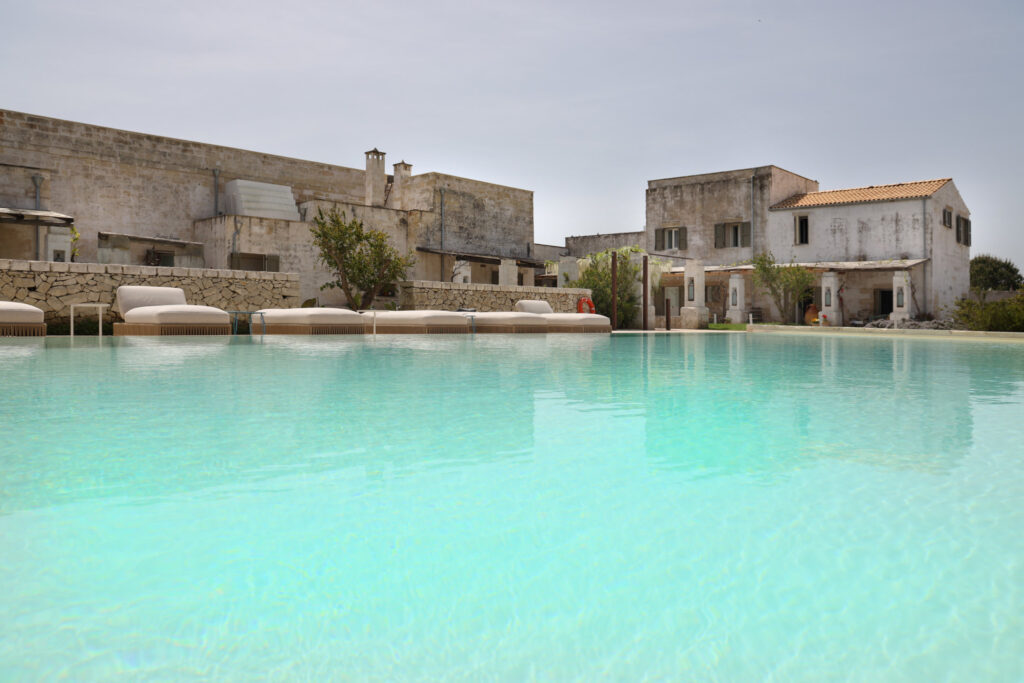


Le Cesine Nature Reserve
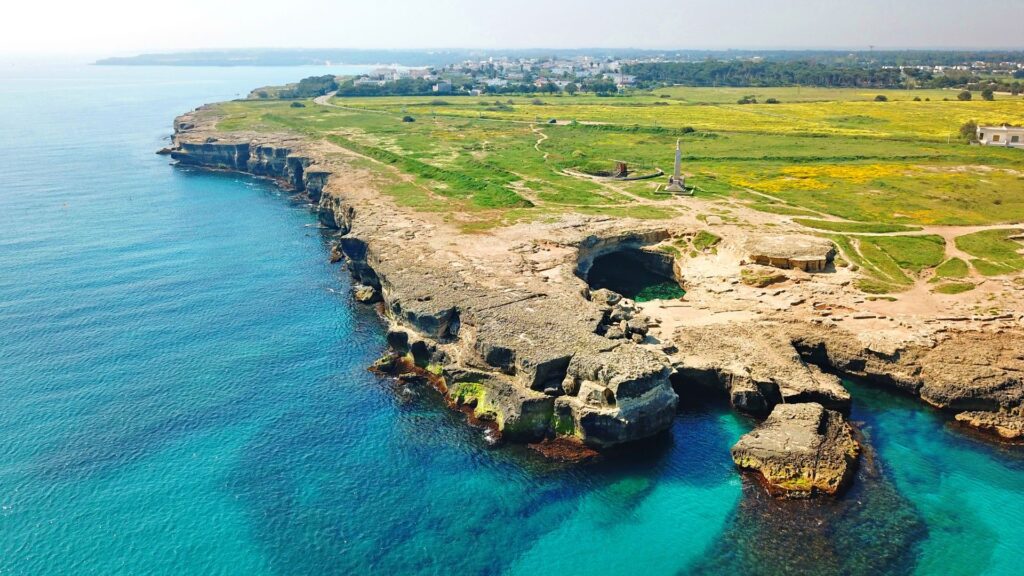
A few minutes from Torre dell’Orso, along the Adriatic edge of Salento, the landscape shifts unexpectedly. The bright beaches and whitewashed stone that define the region’s image give way to something altogether different — older, quieter, and far less eager to reveal itself. This is the Le Cesine Nature Reserve: one of the last remaining intact coastal wetlands in the whole of southern Italy, today managed in partnership with WWF Italy.
Most visitors arrive expecting open sea and summer light. What they find instead is a more ancient kind of beauty. Le Cesine does not offer itself all at once. It asks to be crossed slowly, almost tentatively as if the land itself demands a certain respect before allowing you to truly see it.
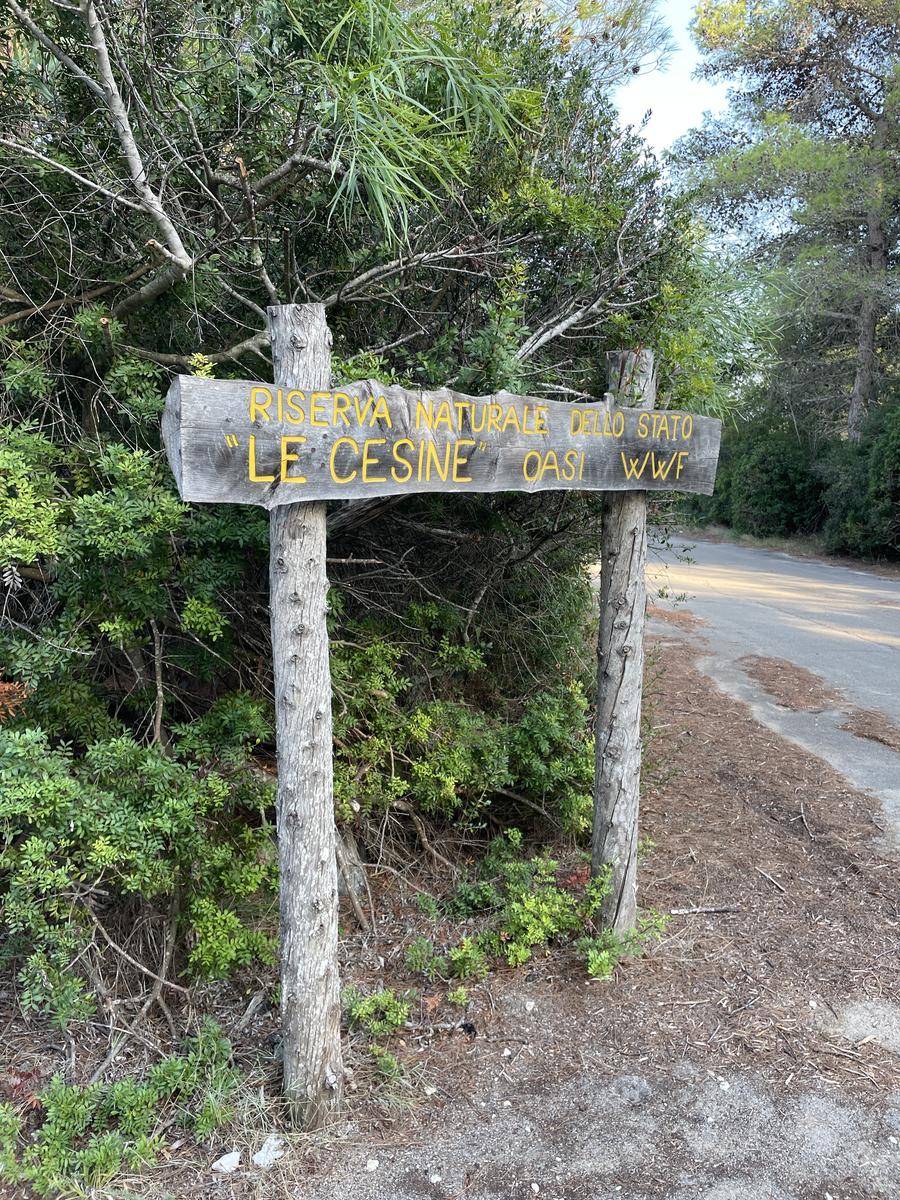
Dunes, Lagoons and Pine Forest
The Le Cesine Nature Reserve is a layered world where distinct habitats coexist with quiet coherence, each transforming with the seasons in its own rhythm.
The sand dunes trace a shifting boundary between sea and land, constantly reshaped by the coastal winds. Across them, Mediterranean scrub grows wild and tenacious thyme, myrtle, wild rosemary filling the air with scents that change with every step.
Beyond the dunes, the lagoons introduce a different dimension: still water and open sky, the slow movement of reeds, a landscape defined by reflection and silence. This is the wetland core of the reserve fragile, essential, and quietly insistent in the lesson it teaches: slow down.
Closing this natural system is the pine forest, where dense shade holds the temperature down and sound seems to dissolve entirely. Here, time genuinely suspends itself. The landscape invites a different kind of attention the sort that sharpens only when you stop looking for something to capture, and simply allow yourself to be present.
Wildlife of the Le Cesine Nature Reserve
Le Cesine Natural Reserve is not simply a landscape to pass through it is a living system, inhabited by creatures that reveal themselves only to those willing to wait. The vegetation shifts as you move deeper into the reserve: from the pioneer species of the dunes, sea lily, prickly juniper, to the denser garrigue of lentisk, myrtle and strawberry tree, each layer carrying its own fragrance in the changing light.
In the wetland margins, where reed beds meet still water, European pond turtles bask on the banks in the warmth of the sun. Foxes, hedgehogs and weasels inhabit the pine forest with the ease of those who have never had to share it. And in the quietest moments, when you stop moving entirely, there are signs of the European otter: one of the rarest and most precious presences in Italy’s wetland ecosystems.
A visit to Le Cesine is the experience of being a guest in a territory that operates by its own rules, its own rhythms, its own ancient logic.
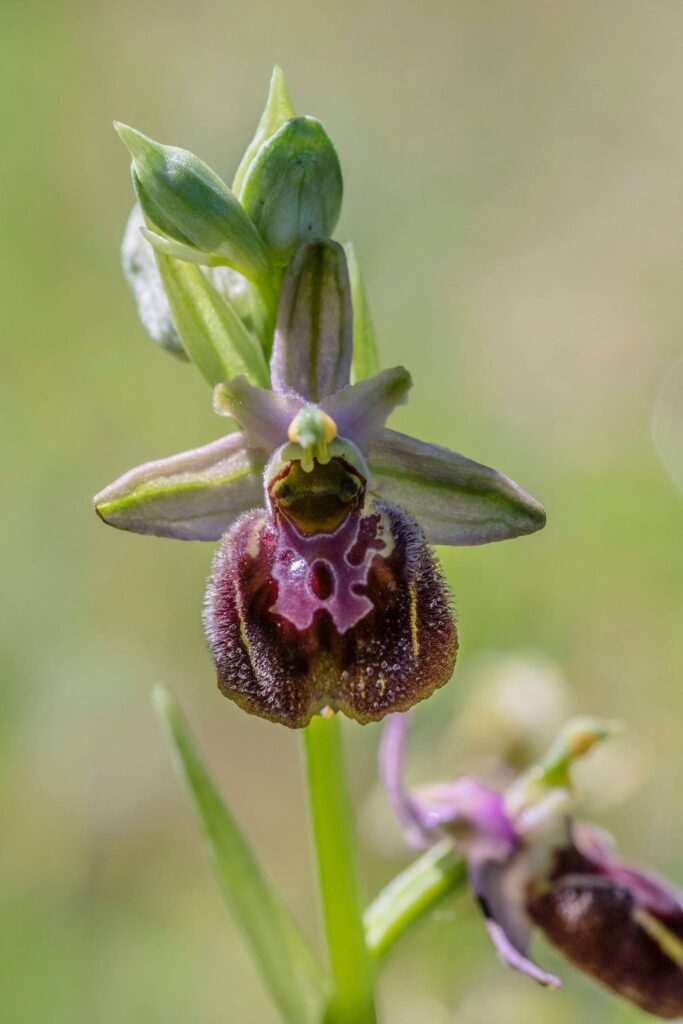
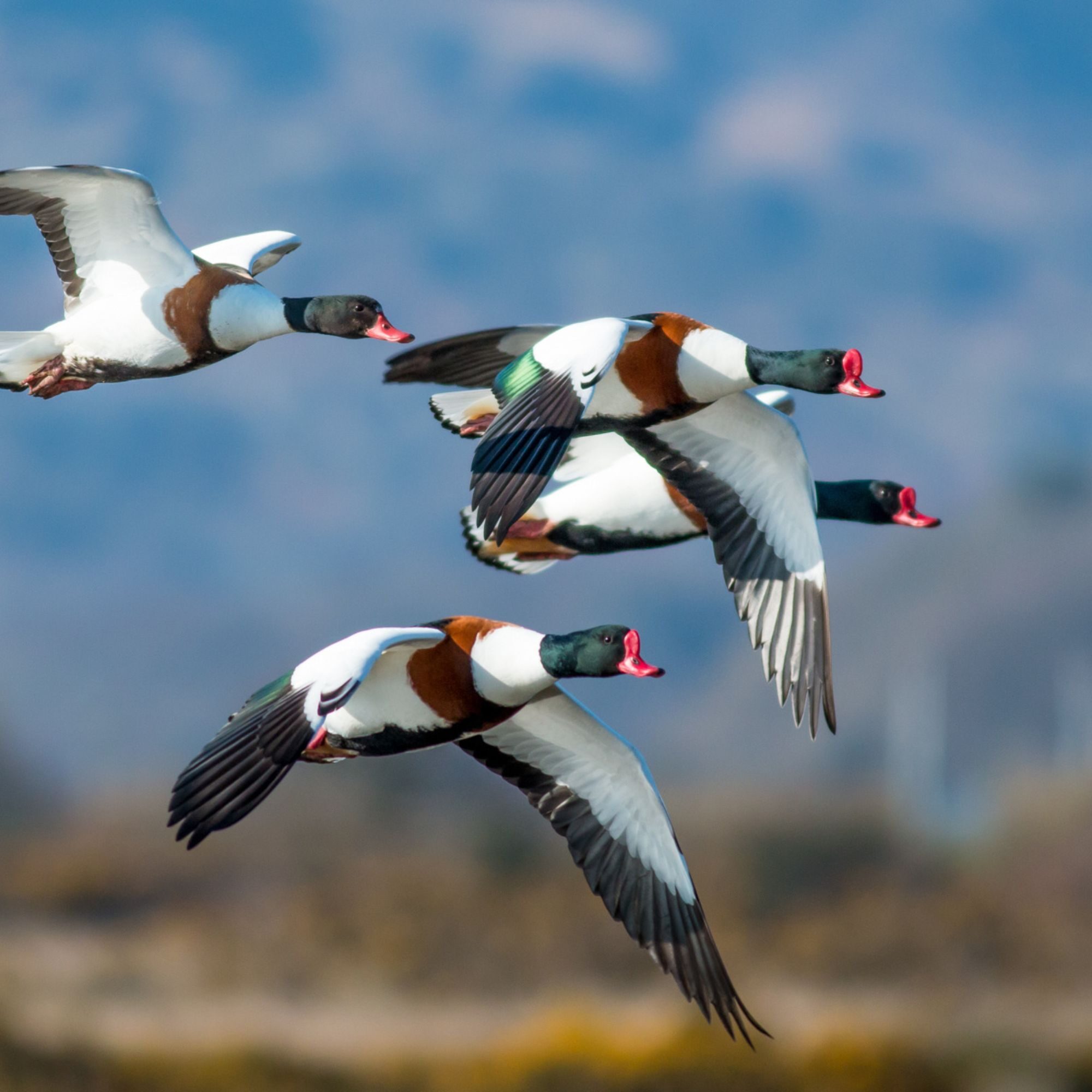
Birdwatching at Le Cesine Reserve
Le Cesine is one of the most significant naturalistic sites in Salento and a key stopping point along the Mediterranean migratory routes. Throughout the year and especially in spring and autumn herons, raptors and wading birds pass through the reserve, transforming the sky into a theatre of constant, unhurried movement.
The reserve shelters over 180 recorded bird species and its wetlands provide critical habitat for both migratory and resident populations. From the wooden observation hides, birdwatching becomes a genuinely immersive experience: layered silences, distant calls, the sudden arc of flight above the marsh.
In winter, diving ducks and wildfowl arrive teal, shoveler, wigeon, tufted duck filling the lagoons with movement and colour. In the migration seasons, the spectacle shifts upwards: marsh harriers, harriers, cricket birds and other raptors cross the sky above the reserve, while the wetland below offers shelter to migratory species pausing on their long journey between Africa and Europe.
The WWF Oasis: Trails, Hides and Guided Visits
A visit to Le Cesine is never intrusive by definition. Trails are conceived as conscious passages through the landscape paths where each step invites attention, where the surrounding vegetation closes gently and the sense of immersion deepens with every minute. These are not routes designed to impress; they are itineraries that encourage you to keep up with the territory itself.
Guided tours, often led by WWF experts, offer a valuable level of interpretation. Hidden vantage points, well-chosen vantage points, and expert insights into the movements of migratory birds, the fragility of wetland ecosystems, and the role Le Cesine plays in Salento’s broader coastal ecology come together to shape something rare.
An experience that lingers with you for how genuinely authentic it felt.
FAQ
Le Cesine Nature Reserve is known for being one of the last intact coastal wetlands in Southern Italy. Located in Salento along the Adriatic coast, it protects lagoons, sand dunes, pine forests and a rich ecosystem inhabited by migratory birds and rare wildlife species.
To visit the Le Cesine Nature Reserve in Salento, you must access via routes regulated by WWF Italy. Visits take place along nature trails or with guided excursions that allow you to discover the reserve in a sustainable and respectful way. The guided tour lasts approximately two hours and can be booked through the reserve’s official website.
The best time for birdwatching at the Le Cesine Nature Reserve in Salento is spring and autumn, when numerous migratory species cross the Mediterranean. In recent months, the Le Cesine Nature Reserve has become one of the most interesting places for nature excursions in Salento.
Yes, the Le Cesine Nature Reserve in Salento is also suitable for a visit with children thanks to simple, safe and immersive nature trails in Salento. Excursions in Salento Natura, especially when led by WWF Italy, become an educational experience that brings children closer to observing ecosystems, migratory birds, and humid environments in an engaging and accessible way.