

Luminarie as a Signature of Salento
When summer arrives and evening air fills with the sound of marching bands and the lingering scents of village squares, something quietly transformative unfolds across Salento. Streets take on a new identity, stone arches dissolve into radiance, and facades become luminous stages animated by color, geometry and reflection. This is when the luminarie of Salento appear ephemeral architectures suspended between celebration, memory and wonder.
They are far more than decoration. Luminarie belong to Salento’s emotional landscape as deeply as olive groves, pale stone and the sea. They express a way of inhabiting public space, of gathering in the piazza, of turning light into a shared language. For those arriving from afar, they are a revelation. For those who call this land home, they are the quiet signal that the festa has begun.
The tradition of Salento’s lights, including faith, squares and communities
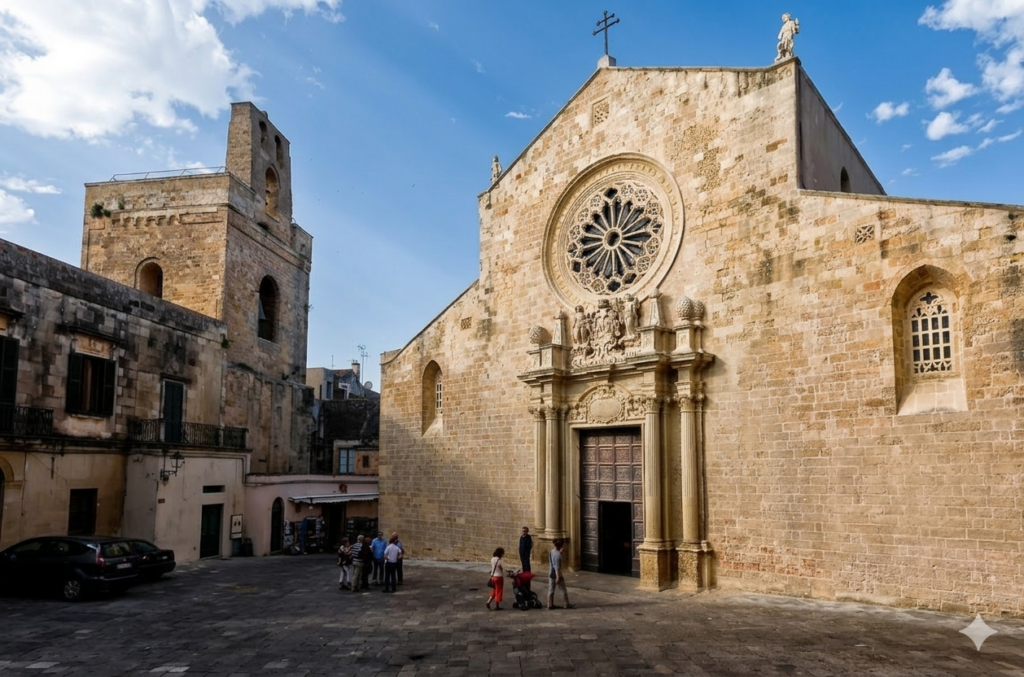
The origins of luminarie in Salento lie in the heart of patron saint festivals, where devotion and collective identity merge into a single visual narrative. Initially simple in form, these structures accompanied religious processions, marking the symbolic passage of saints through village streets. During these celebrations, the square ceases to be merely an urban space it becomes the emotional center of the community. Luminarie reshape its boundaries, transforming it into an immersive scenography where everyday life gently recedes.
Light does more than illuminate: it creates perspective, guides the gaze and alters spatial perception. Within this luminous landscape, the community gathers and recognizes itself. Festive time becomes suspended, shared, and deeply felt a moment where belonging is renewed through light.
When the illumination begins, it is not merely spectacle. It is a collective ritual. Wonder turns into recognition and recognition strengthens the bond between people and place.
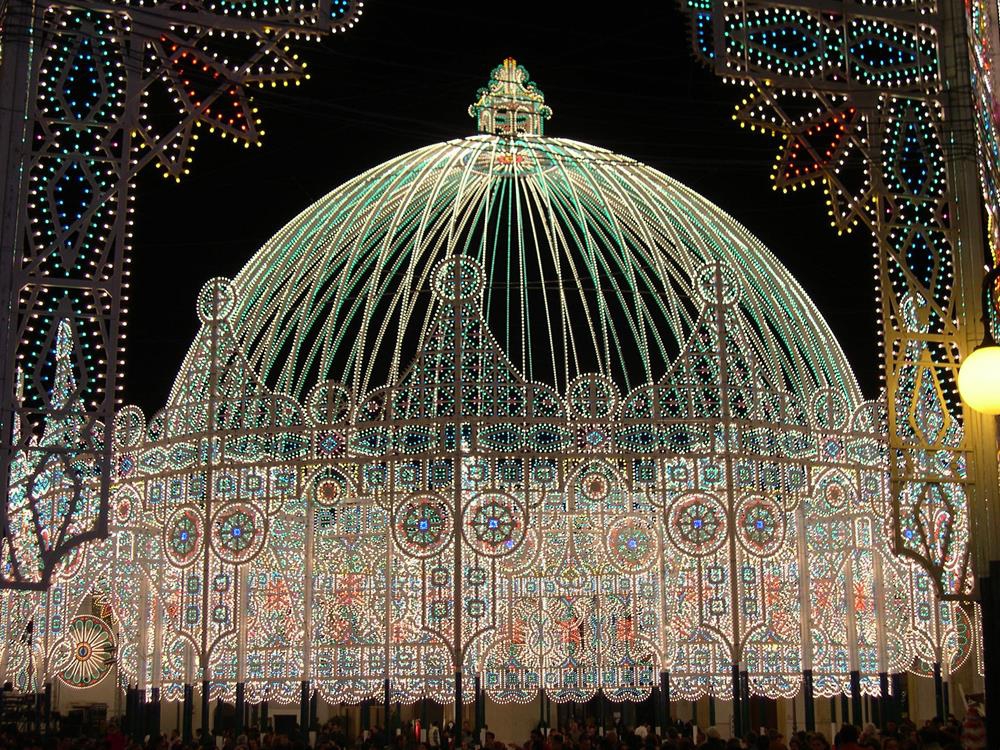
Ephemeral Geometry and the Perception of Space
Over time, these temporary architectures have moved beyond their purely religious function, acquiring a distinct aesthetic and cultural significance. They are not ornaments, but shared symbols of identity. Each community has developed its own visual vocabulary patterns, colors and geometries that evolve year after year while preserving authenticity. In their repetition and reinvention, luminarie become a living language, expressing continuity through change.
Light as a Sensory Experience
When the luminarie glow to life, the village enters a suspended dimension. Light becomes tangible something that crosses the gaze, reshapes distances and deepens the memory of place. Colors intertwine, contrasts intensify and every architectural detail is reinterpreted through a luminous filter. The experience is never passive. Those who walk beneath these structures do not simply observe they become part of the scene, woven into its shifting atmosphere.
Structures, design and construction of the luminarie
Behind the visual poetry of luminarie lies the quiet discipline of Salento’s artisans. Each structure begins with a precise design, where light itself is imagined from the earliest stages. Wooden elements are carefully cut, assembled, and tested, following proportions that balance structural integrity with visual lightness. The process demands both technical mastery and a refined aesthetic sensibility, shaped through years of experience.
Artisan Workshops as Living Memory
The artisan workshops where luminarie are created are not merely places of production, they are spaces of continuity. Here, knowledge is passed down through gesture, in a constant dialogue between tradition and modernity. Ancient techniques coexist with contemporary tools, ensuring that this cultural heritage remains alive and evolving. The artisan’s work becomes an act of preservation, safeguarding a collective memory that might otherwise fade.
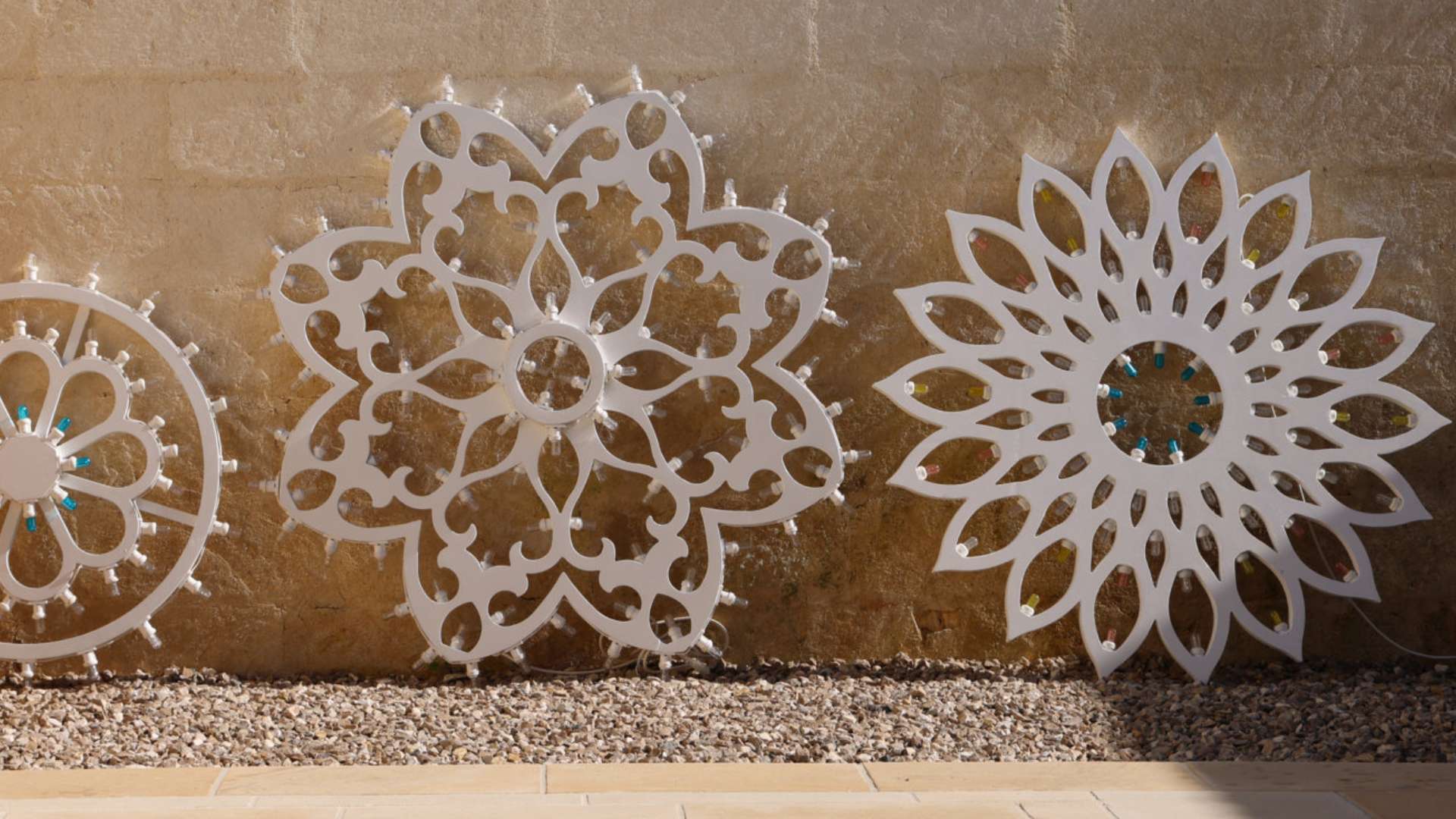
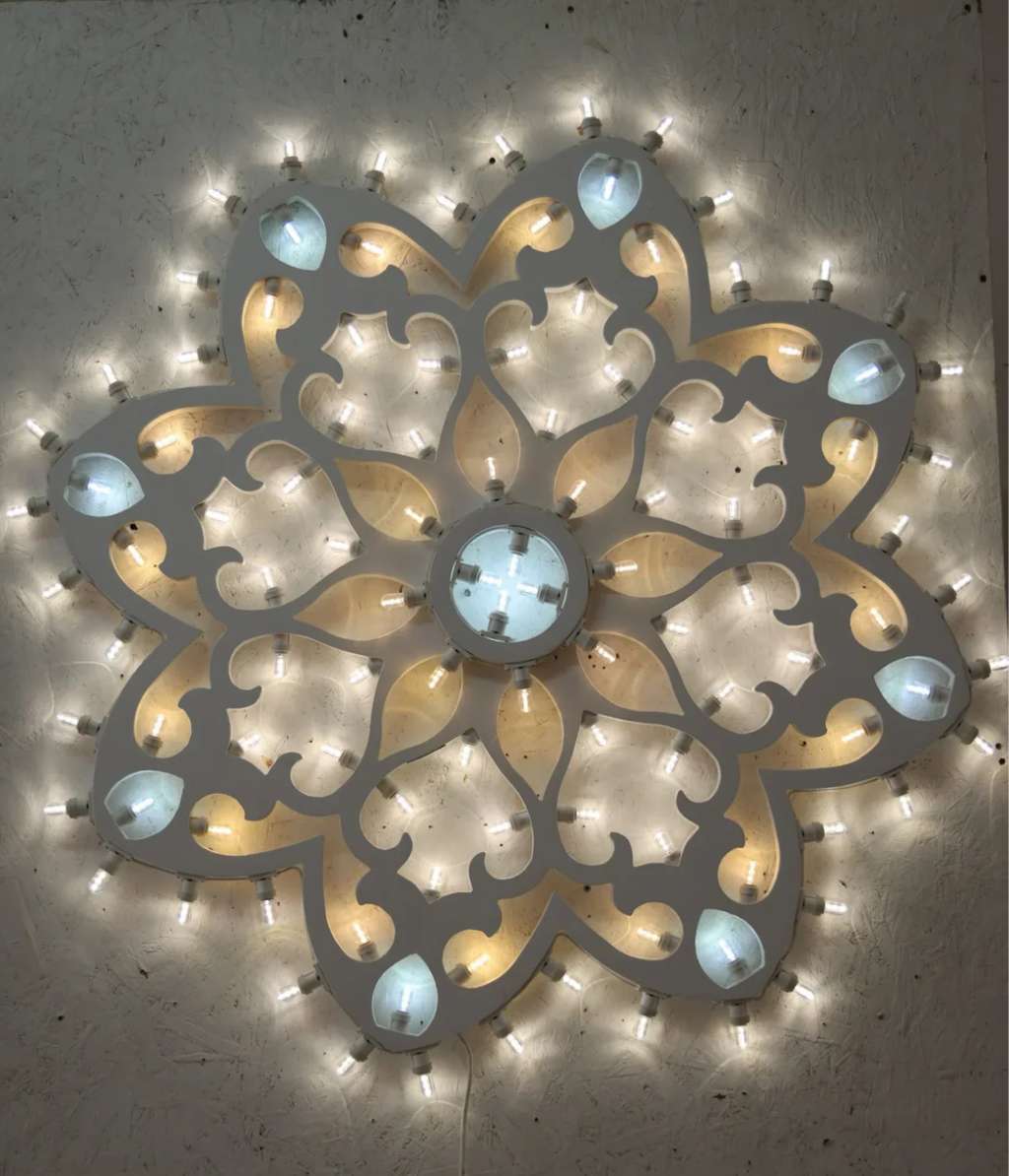
AMETÌC and a Contemporary Interpretation of Made in Italy
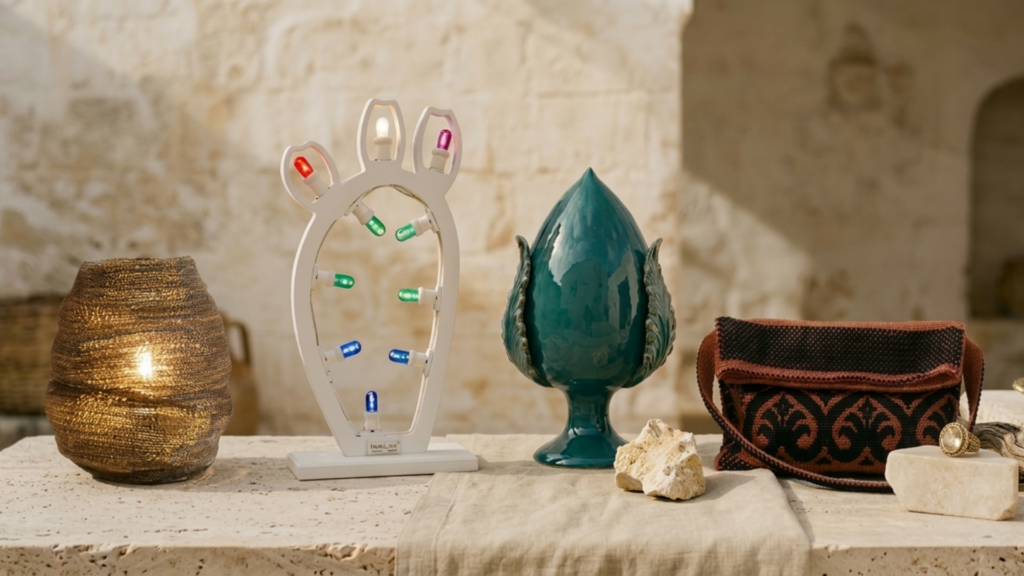
Within this dialogue between past and present, AMETÌC offers a refined interpretation of Made in Italy craftsmanship. Inspired by the language of luminarie, the brand transforms light, rhythm and geometry into essential design objects. Rather than replicating tradition, AMETÌC translates it capturing its essence and expressing it through a contemporary lens, where form and atmosphere remain in delicate balance.
Luminarie at Borgo Sentinella
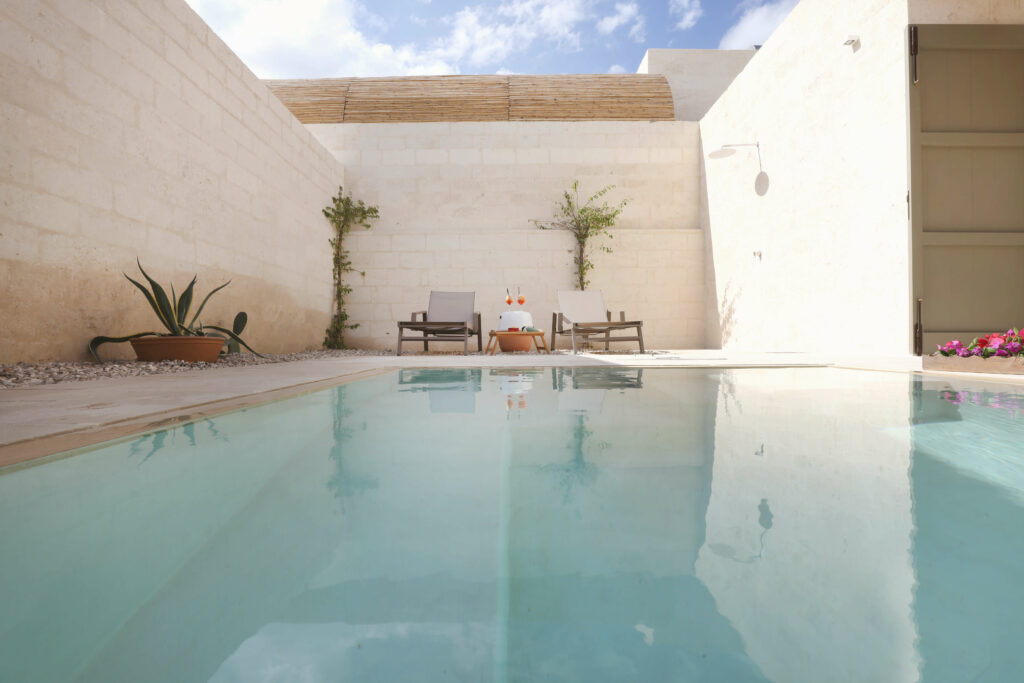
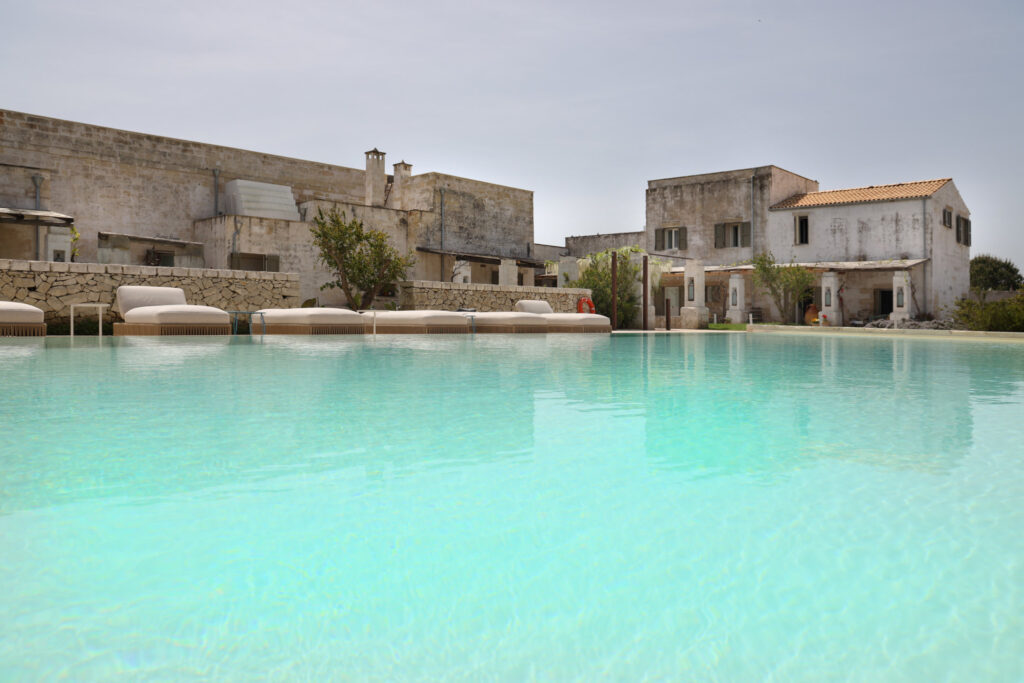
At Borgo Sentinella, the art of luminarie is preserved through authentic elements of Salento craftsmanship, thoughtfully integrated into the space. Subtle luminous details echoing the geometries and motifs of local festivities emerge among stone walls, outdoor courtyards, and interior accents. They are not theatrical statements, but quiet traces of a shared heritage. Intimate and understated, they evoke the beauty of Salento luminarie with elegance, offering guests a deeply rooted connection to the spirit of the place.
FAQ – Domande & Risposte
Luminarie of Salento are elaborate light installations traditionally used during village festivals in southern Italy. These structures combine craftsmanship, geometry and illumination to transform public spaces into immersive environments. Originally linked to religious celebrations, today they represent a broader cultural expression of community identity and artistic heritage.
Luminarie of Salento are mainly visible during summer, especially between June and September, when patron saint festivals take place. During this period, villages come alive at night with illuminated arches and decorative light structures, creating a unique and atmospheric experience for visitors
Luminarie of Salento stand out for their intricate designs, vibrant colors and architectural scale. Unlike simple decorative lighting, they reshape entire spaces, creating immersive visual experiences. Each town often develops its own distinctive patterns, making every display a reflection of local identity and tradition.
Luminarie of Salento originated from religious celebrations, but today they extend beyond purely devotional contexts. While still central to patron saint festivals, they are also appreciated as cultural and artistic expressions, representing a shared heritage that blends tradition with contemporary creativity.
You can experience luminarie of Salento in an intimate way at places like Borgo Sentinella in Torre dell’Orso, where elements inspired by traditional light installations are subtly integrated into the architecture. Here, the essence of luminarie is reinterpreted in a refined and understated manner, offering a deeper connection to the territory.